







Search Results for: USDA Coffee Report
USDA latest report interpretation: Global coffee production for 2023/24 is expected to rise to 171.4 million bags, with Brazil and Colombia recovering while Vietnam and Indonesia come under pressure.
As the year draws to a close, coffee institutions and importers in multiple countries are successively releasing their annual reports. The Russia-Ukraine conflict, the Israeli-Palestinian situation, and inflationary pressures have dampened coffee consumption in some regions, while high interest rates have pushed up trade costs, and the EU Deforestation Regulation (EUDR) is expected to further increase coffee trade expenses in 2024. In terms of weather, the dissipation of El Niño may be delayed until the second quarter of 2024, posing a threat to producing regions along the equatorial belt that flower in April and May, with Brazil's Robusta particularly affected, leading to rising bean prices. The United States Department of Agriculture (USDA) recently released its "Coffee: World Markets and Trade" report, forecasting global production for the 2023/24 year at 171.4 million bags, an increase of 6.9 million bags year-on-year; exports are projected at 119.9 million bags, up 8.4 million bags; consumption will hit a new high of 169.5 million bags, while ending stocks remain at a 12-year low of 26.5 million bags. [more…]
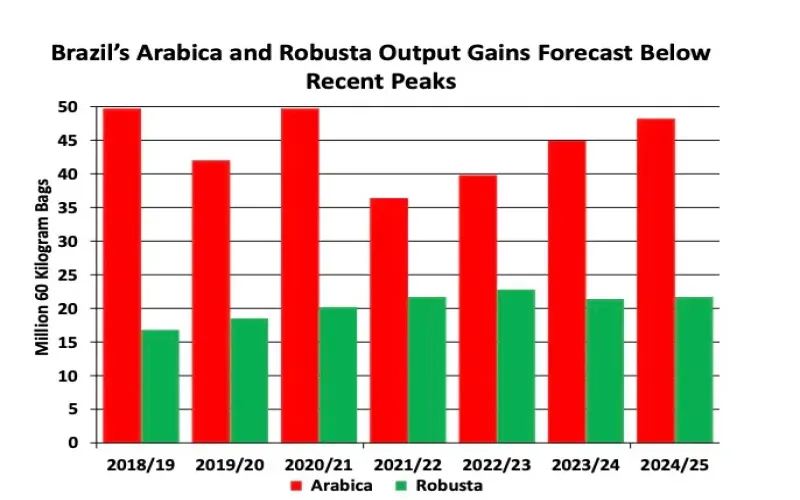
Latest USDA Report: Global Coffee Production Expected to Rebound to 176.2 Million Bags in 2024/25
The United States Department of Agriculture recently released its Coffee: World Markets and Trade report, forecasting global coffee production and consumption trends for the 2024/25 marketing year. The report indicates that, driven by the continued recovery of Brazil's coffee production and a rebound in Indonesia's output, global coffee production is expected to increase by 7.1 million bags from the previous year to 176.2 million bags. Higher supply will also push global coffee exports up by 3.6 million bags to 123.1 million bags. By region, Brazil is set to see significant production gains, Colombia will see a slight recovery though pest concerns loom, Central America will remain broadly flat, and Indonesia's higher robusta output will prove insufficient to offset Vietnam's decline. Although Vietnam's production is unchanged, rising domestic consumption and drought impacts have led to a downward revision of its export forecast. The detailed contents of the report follow. [more…]

USDA Releases 2023/24 Coffee Production Forecasts for Brazil, Colombia, and Vietnam as El Niño Roils Global Supply
The El Niño phenomenon continues to disrupt global weather patterns, causing the production prospects of major coffee-producing countries to diverge. The United States Department of Agriculture recently released its assessment report on the 2023/24 coffee production of Brazil, Colombia, and Vietnam, with the three countries showing different trends: Brazil's Robusta faces a decline in production, while Arabica is expected to see a recovery in growth; Colombia's production is rebounding due to improved climatic conditions, but import demand still exists; Vietnam, meanwhile, continues to decline due to unfavorable weather and farmers switching to other crops. Overall, El Niño is putting pressure on coffee production in Brazil and Vietnam, while Colombia has become one of the few beneficiaries. The following is the detailed data and analysis. [more…]
Global supply tightness combined with a weakening dollar keeps coffee bean prices climbing
The international coffee market has recently experienced a significant rally, with prices for both Robusta and Arabica rising. The factors driving this surge are complex: Brazil's coffee-growing regions continue to suffer from drought, and logistics delays at the Port of Santos occur frequently; the US dollar index has come under downward pressure due to rate cut expectations, and the Brazilian real has strengthened accordingly; Vietnam's Robusta supply is tight, and local green bean purchase prices have repeatedly hit new highs. At the same time, the USDA forecasts that global coffee production in the new year will increase by 4.2% year-on-year, but the trends among different varieties are clearly divergent. This article will review the supply and demand dynamics and price logic of major producing regions to help readers grasp the current pulse of the coffee market. [more…]
Kenya's Tax Increase Storm Hits Coffee Industry: Industry Plight Amid Declining Production and Policy Battles
The Kenyan coffee industry is facing a dual test of declining production and policy changes. A USDA report shows that due to heavy rain and reduced planting area, Kenya's coffee production in 2024/25 is expected to drop to 750,000 bags, a year-on-year decrease of 6.3%. Although the government plans to increase production by 55% to 102,000 metric tons by 2027 and has introduced support measures such as debt write-offs and a cherry fund, recent tax-increase protests and clashes triggered by a finance bill have cast a shadow over the industry's prospects. Coffee beans are traded in US dollars, and the 16% value-added tax will push up farmers' operating costs; new coffee regulations have led to processing plants halting operations, cherry rotting, and exports being hindered. Front Street Coffee notes that although the president has withdrawn the tax-increase plan, the industry still expresses concern about policy uncertainty. [more…]
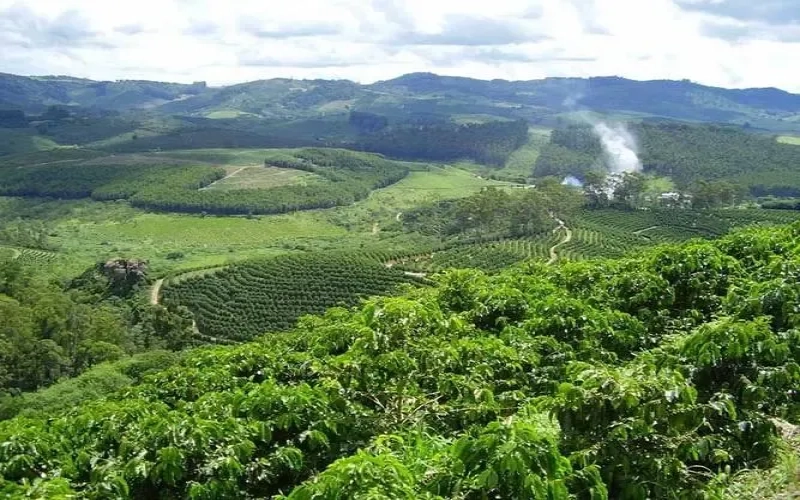
Both Indonesia's Robusta coffee production and exports decline, market expectations unmet
A recent Indonesian coffee industry report released by the U.S. Department of Agriculture shows that Indonesia's coffee production in 2024/25 is expected to recover to 10.9 million bags, of which Robusta is projected to reach 9.5 million bags. However, the reality is not so optimistic: since the beginning of this year, Indonesia has frequently suffered natural disasters such as floods, landslides, and volcanic eruptions, and Sumatra's Robusta exports in May plunged 54% year-on-year. With the aftermath of El Niño still lingering and the threat of La Niña approaching, coupled with rising domestic consumption and exporters holding back sales, the supply outlook for Indonesian Robusta is full of uncertainties. This article will review production, exports, climate, and market dynamics, and include relevant recommendations from Front Street Coffee. [more…]
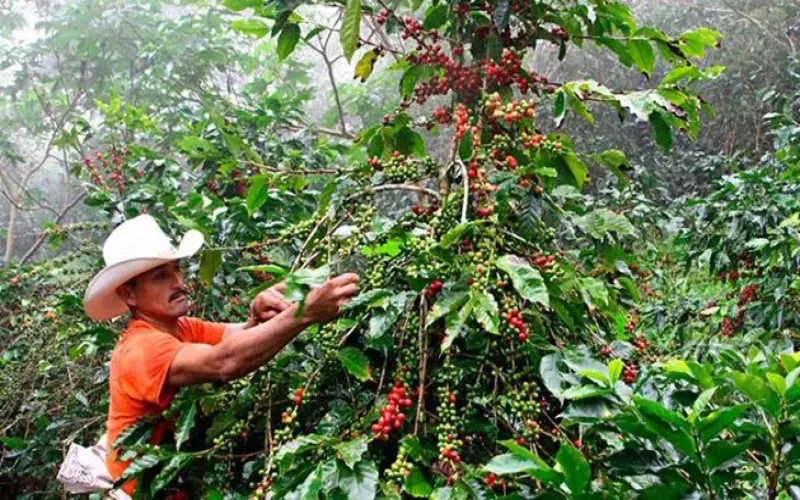
Honduras' coffee industry faces multiple challenges: the spread of leaf rust combined with drought may cause production to plummet by 24% in the 2023/24 season.
The latest report from the United States Department of Agriculture shows that Honduras, Central America's largest producer of washed Arabica coffee, is facing a severe test. In the 2023/24 fiscal year, the country's coffee production is expected to be only 5.5 million bags (60 kg per bag), a sharp drop of 24% from the previous year, while exports will also fall from 6.2 million bags to 5 million bags, a decline of 19%. Extreme heat and drought, a large-scale outbreak of coffee leaf rust, and a persistent labor shortage are the core factors behind the decline in production. At the same time, the Honduran government has introduced tax-exemption policies and is accelerating free trade negotiations with markets such as China in an attempt to ease the plight of coffee farmers. This article will combine the USDA report with data from the Honduran Coffee Institute to provide a comprehensive analysis of the ins and outs of this industry crisis. [more…]
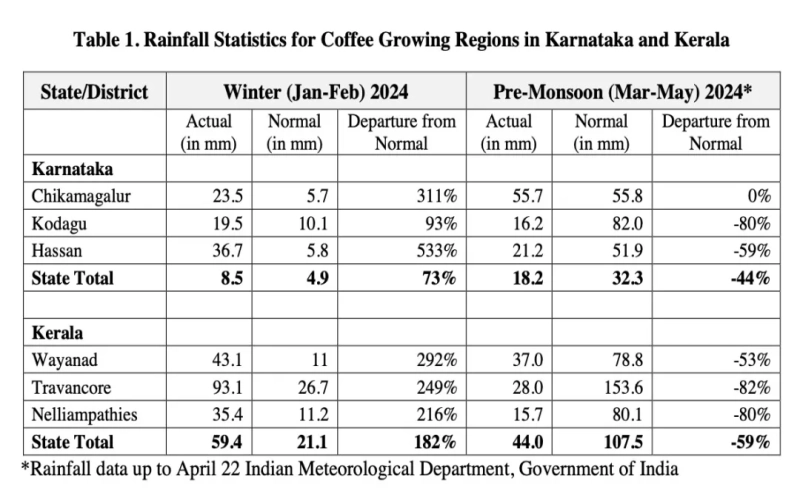
India's New Crop Coffee Production Estimated to Stabilize, Water Shortages and Red Sea Shipping Crisis Will Still Weigh on Exports
The latest India coffee annual report released by the United States Department of Agriculture shows that India's total coffee production for the 2024/25 marketing year is forecast at about 6 million bags, including about 1.4 million bags of Arabica and about 4.6 million bags of Robusta, remaining broadly stable overall. However, the outlook for the crop season is not optimistic: after heavy rains from January to February, many regions saw insufficient rainfall from March to May, and combined with groundwater overexploitation and climate change, India is facing a severe water shortage crisis, with fruit set rates in major producing areas falling sharply. At the same time, continued tensions in the Red Sea have pushed up freight rates on Asia-Europe routes, and with international coffee prices at a decade high, India's coffee exports face triple pressure from weather, shipping and prices. This article will combine the latest data to sort out India's coffee supply and demand structure and the risks ahead. [more…]
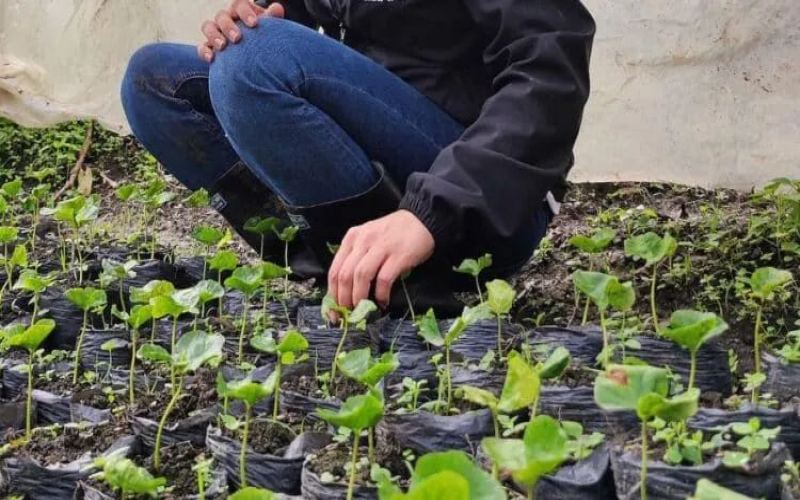
Colombia Distributes 55.7 Million Coffee Seedlings, 2024/25 Production Forecast Raised to 12.9 Million Bags
Colombia's coffee industry has recently received a series of positive signals. Starbucks, in collaboration with the Colombian Coffee Growers Federation (FNC), has distributed 55.7 million disease-resistant coffee seedlings to local farmers, reaching over 17,000 growers across 17 departments. After the effects of El Niño and drought, the arrival of the rainy season in October has led to a gradual recovery in production. The FNC estimates that production for the 2023/24 year will reach 12.8 million bags, while the USDA FAS forecasts that the 2024/25 year could reach 12.9 million bags. However, factors such as severe weather in Brazil and logistics delays have driven Arabica prices to a 47-year high, and the market expects prices to remain elevated in 2025. [more…]
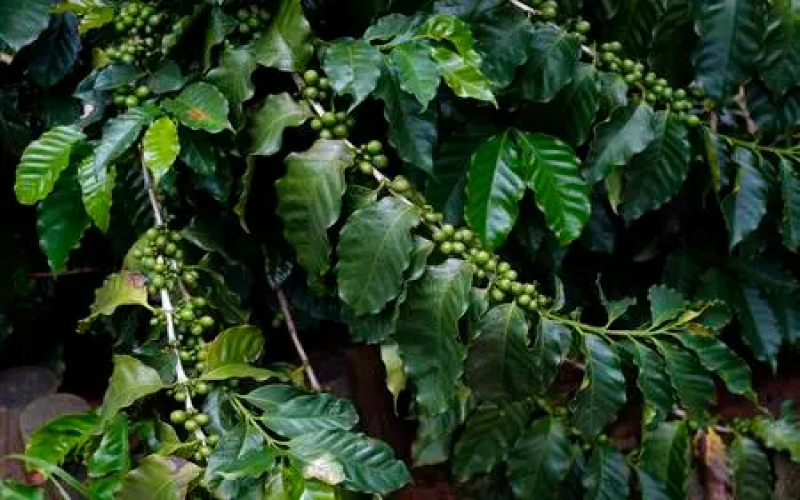
Global Coffee Demand Continues to Rise, Brazil's Exports to China Break the One Million Bag Mark for the First Time
The latest data from the Brazil Coffee Exporters Council shows that Brazil's coffee exports to China have surpassed the 1 million bag mark for the first time, reaching 1,151,768 bags (60 kg/bag), and the growth momentum is expected to continue. At the same time, the European Union remains firmly the largest destination for Brazilian coffee exports, with exports reaching 5,470,729 bags in 2023. The rapid growth of China's coffee consumption, the increase in global coffee production, and changes in the import structures of major consuming countries are reshaping the world coffee trade landscape. Front Street Coffee continues to follow global coffee market developments, bringing the latest industry news to enthusiasts. [more…]
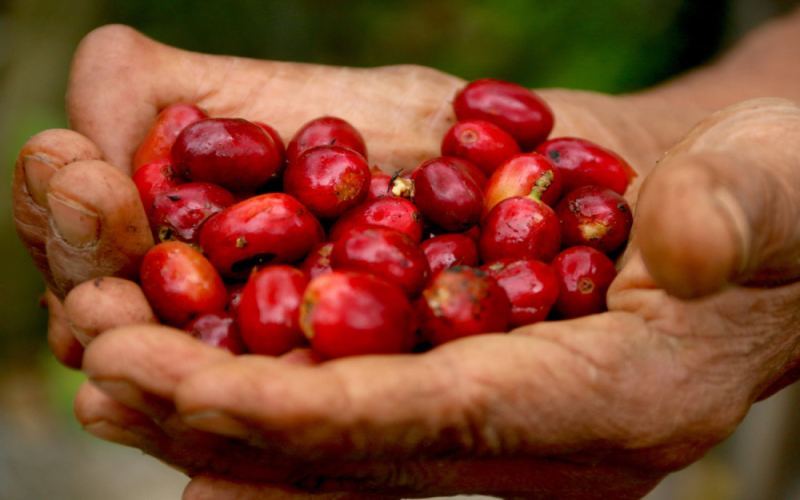
A Complete Guide to Indonesian Coffee Varieties and Regions: Flavor Secrets from Sumatra to Sulawesi
Indonesia is a major coffee-producing country globally, with a wide variety of coffee types and unique processing methods that create highly distinctive flavor characteristics. From the perspective of Front Street, this article systematically reviews the geographical and varietal differences among Indonesia's three main producing regions—Sumatra, Java, and Sulawesi—delves into how the wet-hulling process shapes Mandheling's signature full-bodied mouthfeel, and introduces one by one the origins and characteristics of major cultivated varieties such as S795, Tim Tim, USDA762, Kartika, and Andungsari. Whether you are a coffee professional or enthusiast, understanding the genetic makeup and processing logic of Indonesian coffee will help you more accurately assess batch flavors, predict price trends, and, in daily tasting, decipher that complex cup interwoven with earthy and sweet notes. [more…]
Indonesian Coffee Bean Varieties, Flavors, and the Origins of Sumatra: From Mandheling to Wet-Hulling
Indonesian coffee is best known for Mandheling, but its appeal goes far beyond that. From Sumatra and Java to Sulawesi, each producing region shapes a rich, intense classic flavor through its unique terroir and wet-hulling method. This article guides you through the distribution and characteristics of Indonesia's main coffee-producing regions, explains the wet-hulling process and how it shapes flavor, and introduces common varieties such as S795, Tim Tim, USDA 762, Kartika, and Andungsari. Front Street Coffee's everyday Lintong staple beans and PWN Golden Mandheling are both medium-dark roasted, suitable for pour-over, French press, espresso machines, and various other brewing devices, making it easy for enthusiasts to experience authentic Mandheling flavor. [more…]
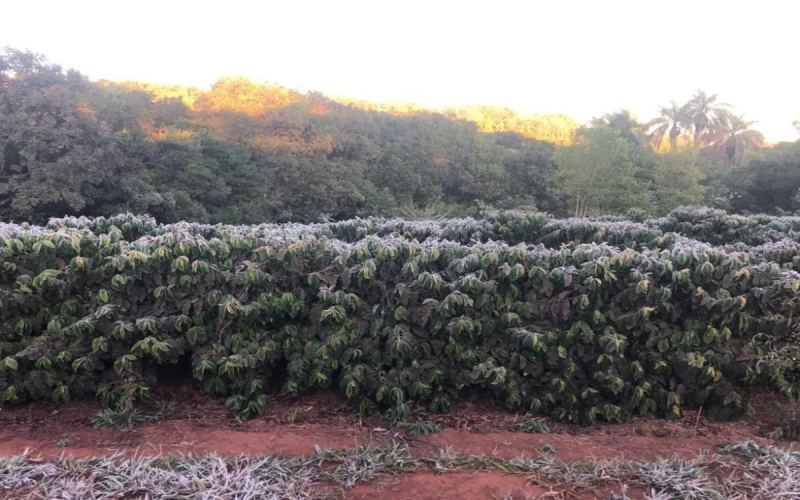
Coffee Stocks in Crisis: ICE Exchange Plans to Re-certify Two-Year-Old Brazilian Beans for Market Release
Brazil, the world's largest coffee producer, has suffered consecutive droughts and frosts, with its 2022/23 harvest falling far short of expectations. Certified coffee inventories on the ICE exchange have continued to decline, keeping coffee futures prices elevated. To ease the inventory crunch, ICE plans to re-grade and re-certify a batch of Brazilian Arabica old-crop beans that have been in storage for nearly two years and put them into trading. Although this move is not a violation of the rules, it has sparked concerns among traders about coffee quality and the mixing of old and new beans. This article will review the background of Brazil's reduced output, the logic behind futures price fluctuations, and the possible chain reactions that re-certifying old-crop beans may bring to the market. [more…]
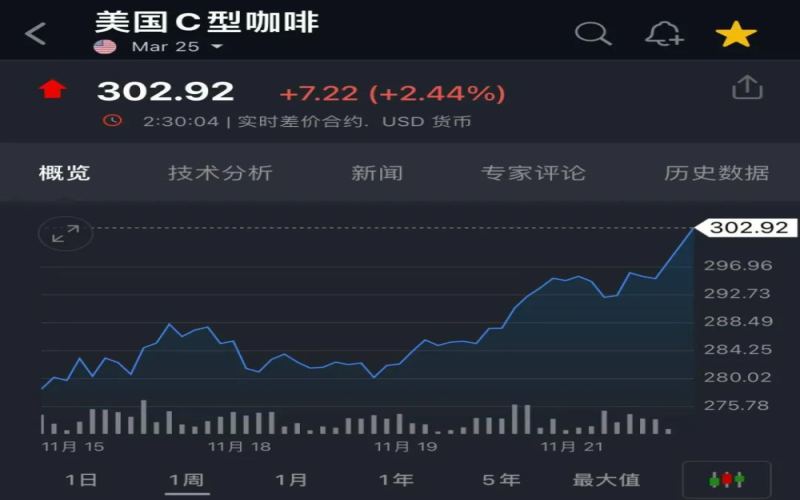
Coffee futures break through 300 cents to a 13-year high, with Brazilian drought and tight inventories as the main drivers
Recently, U.S. C-type coffee futures prices have been climbing steadily, breaking through the 300 cents per pound mark, touching an intraday high of 303.93 cents, and finally closing at 302.92 cents, setting a new 13-year record and simultaneously driving Robusta coffee futures higher. The core driver of this rally comes from the USDA Foreign Agricultural Service (FAS) sharply lowering its forecast for Brazil's 2024/25 production to 66.4 million bags, a 5% reduction from the previous USDA estimate of 69.9 million bags. Combined with multiple factors including Brazil experiencing its worst drought since 1981 and inventories shrinking 26% year-on-year, market concerns over global coffee supply continue to intensify. Producing countries such as Honduras have also seen reduced output due to adverse weather, further exacerbating the tight supply situation. [more…]

Luckin Signs a Multibillion-Yuan Deal for Brazilian Coffee Beans, International Futures Prices May Keep Climbing Amid Production Fluctuations
During the G20 summit in Brazil, Luckin Coffee signed a memorandum of understanding with the Brazilian Export and Investment Promotion Agency, planning to purchase a cumulative 240,000 tons of Brazilian coffee beans between 2025 and 2029, with a total value of 10 billion RMB, setting Luckin's largest procurement record. At the same time, Brazil's coffee industry is facing production uncertainty brought by extreme weather: although the current sales pace has accelerated and exports have hit a record high, drought and fires have already damaged the new crop season, multiple institutions have lowered production expectations, and international coffee futures prices have continued to climb. This article will outline the key points of the agreement, Brazil's sales dynamics, and the impact of weather on the supply and demand landscape. [more…]
A Comprehensive Guide to Global Organic Tea Certification Systems: Differences Among EU, US, Japan and Other Standards, and Buying Tips
The core difference between organic tea and conventional tea lies in whether it has been certified by an authoritative body. EU organic regulations prohibit genetic modification and synthetic inputs, and require animals to be raised in ways that suit their species characteristics, and are regarded as the strictest threshold in the tea industry. Certifications such as Switzerland's IMO, France's Ecocert, the US USDA, Japan's JAS, India's, Canada's, China's, Australia's, and Germany's Naturland each have different emphases, with significant differences in scope of application and difficulty of obtaining them. Rainforest Alliance, UTZ, FDA, and HACCP provide supplementary assurances from the perspectives of sustainable agriculture and food safety. This article systematically sorts out the rules, authority, and market applicability of major certifications, helping coffee and tea lovers accurately identify the true meaning behind labels when making purchases. [more…]
Costa Rica Black Soul Coffee Flavor Interpretation: Las Lajas Estate Natural Process and Pour-Over Parameters Sharing
Alma Negra from Costa Rica's Las Lajas Estate is a coffee produced using an innovative natural process, originating from the Central Valley region at an altitude of 1,300 to 1,500 meters, primarily comprising Caturra and Catuai varieties. This medium-light roast coffee has a delicate fruity fermented aroma, with a sweet and smooth entry, presenting layers of dried berries, black dates, and stone fruits, and a sweet aftertaste. The estate has practiced organic farming since 1990 and became Costa Rica's first organically certified estate in 2000, currently holding USDA, JAS, and NOP certifications. Alma Negra differs from the same estate's Black Pearl, leaning toward a natural dried-fruit molasses profile. Front Street Coffee recommends this bean, and below we will introduce its flavor details, estate background, and pour-over steps and parameters. [more…]
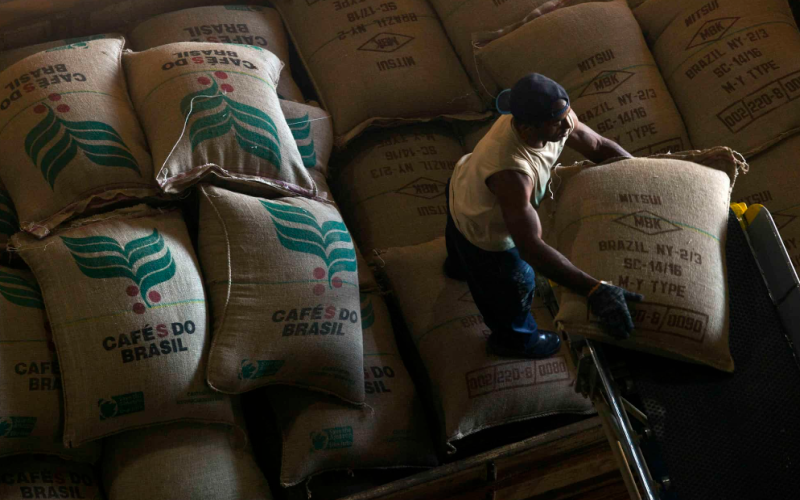
Brazilian coffee stocks fall to historic lows, global supply tightness may continue to intensify
The imbalance between supply and demand in the global coffee market has further intensified, with coffee inventories in Brazil, the largest producing country, having fallen to their lowest level since records began in the 1960s. Although Brazil's total coffee production in 2022/23 grew by 6.7% year-on-year, inventories plummeted by 88% year-on-year, leaving only 540,000 bags. Arabica failed to reach expected output due to drought and frost, while Vietnam's Robusta inventories also halved, tightening supply for both major varieties at the same time. Brazil's low conversion rate of fresh cherries has further exacerbated the shortage, and coffee prices face sustained upward pressure. This article will review the latest data and the underlying causes, and includes professional recommendations from Front Street Coffee. [more…]
Colombian coffee production is expected to recover, and the Robusta cultivation map may see expansion.
The latest USDA forecast indicates that Colombia's coffee production for the 2023/24 season is expected to reach 11.5 million bags, a 7.5% increase from the previous year. Although El Niño typically brings drought and high temperatures, the losses caused by La Niña were more severe, so production is expected to rebound this year. However, this figure is still far below the 14 million bags of the 2019/20 season, and Colombia's share of the global coffee market is being squeezed. Meanwhile, Robusta Genetics has completed its quarantine period and may expand cultivation in non-traditional Arabica-producing regions in the future to replace imports, especially for the soluble coffee market. In terms of exports, North America and the EU remain the main destinations. Front Street Coffee reminds enthusiasts to keep an eye on developments in this producing region. [more…]
A Guide to Ceylon Black Tea Brewing Ratios: From the Reasons for Its Introduction to the Development Path of Smallholder Organic Fair Trade
How many grams of Ceylon black tea should you use? This seemingly simple question is connected to the entire ecosystem of Sri Lanka's tea industry. This article starts with brewing ratios, traces the history of Ceylon black tea's introduction into China, and takes a deep look at how small tea farmers in Sri Lanka carve out a path of organic fair trade in the cracks between large tea estates. From IFOAM and Codex Alimentarius organic standards, to international certification systems such as Bio, USDA, and JAS, and to the protection of workers' rights by international fair trade organizations, you will see the strict checks a cup of Ceylon black tea goes through from cultivation to export, and you will also understand why the related products recommended by Front Street Coffee are worth paying attention to. [more…]